SHORT COMMUNICATION 136
Double Trouble Looming
By
Roger Behra
Many voters who voted for American´s new president in 2008 are now slowly beginning to have grave doubts about his thinking and actions. They are concerned about his approach to the situation in Iran. Obama is to soft on Iran and North Korea. His attitude of let us be friends is not going to work. It only encourages them to speed things up and hate America much more.
It is clear cut that Iran would wipe Israel and the United States off the world map if she could. Iran hates Israel with a passion. And Iran is secretly working hard to achieve that goal as soon as possible. Iran cannot wipe America of the map, but she thumbs her nose at the U. S. and plans to increase her efforts in regards to nuclear development. The enrichment of uranium has drastically increased the last two months of 2009. The U. S. is dead set against it, but she is taking a poor approach to this momentous problem.
Iran realizes she can be in a great position to harm Israel. That is why Iran is feverishly working night and day on uranium enrichment. It is not at all for peaceful purposes. Iran already has the missiles to attack Israel. All she needs is the nuclear warheads, and without the help of Russia or North Korea, she is about one year away.
What America’s new and inexperienced president does not realize is that words and sanctions will not work, and that time is running out at a fast pace. Israel has given Iran until December 31, 2009, to comply with the U. S. or Israel is ready to take military action without the help of the United States or anyone else.
Iran cannot be trusted aside from Israel and the United States. Iran is responsible for deaths of American soldiers in Iraq, as well as other there. Iran supports terrorism in her thinking and actions. Iran cannot be trusted, and someone has to give an ultimatum to Iran and carry it out. President Obama and his administration’s half-hearted embrace of Israel and half-backed approach to Iran’s race to get enriched uranium spells double trouble for both Israel and the U. S. And if Israel has to take matters into her own hands and make a strike on Iran, very serious results will spread throughout the Middle East. The clock is loudly ticking.
R. B.
1-2-09
viernes, 12 de febrero de 2010
jueves, 11 de febrero de 2010
Los Ángeles de la Guarda, Por Angel R. Cepeda D.
Los Ángeles de la Guarda
Por
Angel R. Cepeda Dovala
Por
Angel R. Cepeda Dovala
Zenit [1] publica una entrevista muy interesante al párroco Marcello Stanzione fundador de la Asociación Milicia de san Miguel Arcángel [2] , y una de las preguntas a las que dio respuesta fue la siguiente:
¿Qué son los ángeles custodios? ¿Existen realmente?
Don Marcello: Son una categoría particular de criaturas de Dios, espíritus incorpóreos que tienen la tarea de proteger individualmente a cada individuo.
Hay distintas categorías de ángeles que tienen diferentes misiones. Por ejemplo, los ángeles del Padre, los ángeles del Hijo, los ángeles del Espíritu Santo y los ángeles de la Virgen. Después están, por ejemplo, los ángeles que rigen los elementos del cosmos.
Los ángeles existen verdaderamente porque lo afirma Jesucristo, lo reafirma el Magisterio de la Iglesia, toda la Tradición teológica y, a nivel lógico-racional, son uno de los anillos de la Creación, junto al reino mineral, vegetal, animal y humano. [3].
La Enciclopedia Católica New Advent respecto al Angel de la Guarda, da un recorrido desde el punto de vista bíblico, en el Antiguo Testamento y Nuevo Testamento, según diversos escritores como Santo Tomas de Aquino. [4].
¿Qué opina usted al respecto?
PAZ Y BIEN
ARCD
ARCD
Notas
[1] Cf. Impulso a la devoción a los ángeles de la guarda, en: http://www.zenit.org/article-34261?l=spanish
[2] Cf. Sitio web de la Asociación Milicia de san Miguel Arcángel en: http://www.miliziadisanmichelearcangelo.org/content/blogcategory/63/97/lang,it/
[3] En la entrevista publicada por Zenit, se hace referencia a uno de sus libros del párroco Marcello Stanzione: “Invito alla devozione degli angeli custodi" (“Invitación a la devoción a los ángeles custodios”), (Ediciones Villadiseriane).
[4] Cf. Guardian Angel in: http://www.newadvent.org/cathen/07049c.htm; and Feast of Guardian Angels, in: http://www.newadvent.org/cathen/07050a.htm; ver también noticia: Benedicto XVI da las gracias a sus "ángeles de la guarda" en vacaciones. (Cf. http://www.zenit.org/article-32075?l=spanish)

The Places in Eternity, By Roger Behra
SHORT COMMUNICATION 135
The Places in Eternity
By
Roger Behra
Eternity is a place made up of three distinct levels. The levels range from the most beautiful and blissful to the darkest and forlorn, and sooner or later each one of us earth dwellers is going to end up existing in one of the levels. The biggest question is which level is in our future? The choice is our own to make by the way we live our lives over the years we have here on earth.
The absolute best place to be in eternity, obviously, is the highest level called Heaven. The beauty of heaven is beyond description. No words are adequate to describe that eternal level of vivid colors.sparkling waters, and living environment in general. And the whole level is bathed in the “light”, which is regarded and respected as God, and where unconditional love is constant and exists for all spiritual entities there. On the heavenly level souls are with loved ones and friends who were part of earthly life. No soul ever wants to leave that level.
The next level in descending order is the holding place commonly referred to as Purgatory. It is close to the highest level and just above the place of total darkness. In the holding place the spirits exist without the divine light of God. Once the spirits are purged of their lack of penance that put them there and unconditionally accept God, they ascend to the highest place (Heaven). In the holding place their greatest displeasure is the absence of being in the all loving divine light.
The lowest level in eternity is the Dark Place. Spirits enter this dark side immediately upon death. There is no tunnel leading to the light. They enter through the left side, and there is only dark, Godless nothingness, and the very painful absence of the all loving divine light the unconditional love. It also is beyond anything imaginable.
Immediately at the moment of death souls know that the greatest gift God gave them during earthly life was FREE WILL. If free will was used according to God’s wishes, the soul does not enter the dark side. Instead, the soul entered a heavenly place or the intermediate holding place. Souls realize at the moment of the death if they used God´s greatest gift well. They realize they chose their level with their free will.
The monumental question all of us must ask ourselves is this. How are we using God´s greatest gift each and every day? That is so important, because we are choosing our eternal level at the moment of death. We have to constantly think about that every moment of each day. Through Christian living and daily prayer it becomes easier to be choosing the highest level. Without God´s blessings and daily help we cannot achieve the highest level on our own. It is just not possible. For many who will read this communication, time is on the short side. Think about the level being chosen by you while there is still some time. It is the most important thing you must do. Your daily life and the culture around you will be much better off as a result.
R. B.
12-28-09
The Places in Eternity
By
Roger Behra
Eternity is a place made up of three distinct levels. The levels range from the most beautiful and blissful to the darkest and forlorn, and sooner or later each one of us earth dwellers is going to end up existing in one of the levels. The biggest question is which level is in our future? The choice is our own to make by the way we live our lives over the years we have here on earth.
The absolute best place to be in eternity, obviously, is the highest level called Heaven. The beauty of heaven is beyond description. No words are adequate to describe that eternal level of vivid colors.sparkling waters, and living environment in general. And the whole level is bathed in the “light”, which is regarded and respected as God, and where unconditional love is constant and exists for all spiritual entities there. On the heavenly level souls are with loved ones and friends who were part of earthly life. No soul ever wants to leave that level.
The next level in descending order is the holding place commonly referred to as Purgatory. It is close to the highest level and just above the place of total darkness. In the holding place the spirits exist without the divine light of God. Once the spirits are purged of their lack of penance that put them there and unconditionally accept God, they ascend to the highest place (Heaven). In the holding place their greatest displeasure is the absence of being in the all loving divine light.
The lowest level in eternity is the Dark Place. Spirits enter this dark side immediately upon death. There is no tunnel leading to the light. They enter through the left side, and there is only dark, Godless nothingness, and the very painful absence of the all loving divine light the unconditional love. It also is beyond anything imaginable.
Immediately at the moment of death souls know that the greatest gift God gave them during earthly life was FREE WILL. If free will was used according to God’s wishes, the soul does not enter the dark side. Instead, the soul entered a heavenly place or the intermediate holding place. Souls realize at the moment of the death if they used God´s greatest gift well. They realize they chose their level with their free will.
The monumental question all of us must ask ourselves is this. How are we using God´s greatest gift each and every day? That is so important, because we are choosing our eternal level at the moment of death. We have to constantly think about that every moment of each day. Through Christian living and daily prayer it becomes easier to be choosing the highest level. Without God´s blessings and daily help we cannot achieve the highest level on our own. It is just not possible. For many who will read this communication, time is on the short side. Think about the level being chosen by you while there is still some time. It is the most important thing you must do. Your daily life and the culture around you will be much better off as a result.
R. B.
12-28-09
domingo, 7 de febrero de 2010
La Pesca Milagrosa, Por Angel R. Cepeda D.
La Pesca Milagrosa
Por
Angel R. Cepeda Dovala
En este domingo ordinario, en donde en el cielo aparecen nubes blancas, todavía en temporada invernal, se cubre el mundo católico de color verde, y en el Templo de San Francisco de Asís, de Saltillo Coahuila, una madre recuerda a su hijo en su día de nacimiento, que es uno de los mejores regalos que en vida puede recibir una persona, además de la grata compañía familiar, en el día de San Tobías. [1]
En un día como hoy nació San Romualdo (951-1027 †), su nombre significa: glorioso en el mando. El que gobierna con buena fama. Fue el fundador de la Orden de los Camaldulenses (1012 d NSJC). Dios le tenía reservado un lugar para que fundara una Comunidad como él la deseaba. Un señor llamado Málduli había obsequiado una finca, en región montañosa y apartada, llamada campo de Málduli, y allí fundo el santo su nueva comunidad que se llamó "Camaldulenses", o sea, religiosos del Campo de Málduli. Se cuenta que en una visión vio una escalera por la cual sus discípulos subían al cielo, vestidos de blanco. Desde entonces cambió el antiguo hábito negro de sus religiosos, por un hábito blanco. [2]
La festividad de San Romualdo se fijó inicialmente el 7 de febrero, el día en que sus reliquias incorruptibles del santo ermitaño, fueron trasladadas por el Papa Clemente VIII en 1595; sin embargo, en el Calendarium Romanus de 1969 y con la autorización del Papa Pablo VI, la festividad se cambió al 19 de junio, fecha de su muerte. [3]
Un joven y a la vez antiguo amigo, Fr Gonzalo Guzmán Bernal OFM, con una trayectoria de vida ejemplar por más de 50 años de vida religiosa, y un largo peregrinar desde Jalisco México, hasta Asís, Italia y en la Cátedra de San Pedro (Roma) [4], Washington D.C. (USA) y otros países, celebro muy temprano la misa de 7 am, en este día de Febrero 7, 2010. El hermano Fr. Gonzalo, quién viene de visita desde Tierra Santa [5], donde ha estado cerca de media centena de ocasiones, de su experiencia y sabiduría brotaron palabras de fe y entusiasmo, quién lleno de un gran gesto de humildad, generosidad y elocuencia, brotaron de su corazón palabras de accionar apostólico, con un sensible y emotivo sermón acerca de la Pesca Milagrosa que realizo Jesús, cuando se subió a la barca de San Pedro, en el lago de Genesaret. [6] Saludos, animo y buen regreso a Tel Aviv. [7]
PAZ Y BIEN
ARCD
Notas
[1] San Tobías fue un judío del Norte de Palestina de la tribu de Neftalí quien fue desterrado a Nínive en Asiria está representado en la Sagrada Escritura por el libro que lleva su nombre, escrito posiblemente en el siglo III antes de Cristo. El libro de Tobías que consta de 14 capítulos, trata de instruir a las familias en obras de fe y misericordia.
[2] Cf. Significado de San Romualdo y su vida ejemplar en: http://www.churchforum.org/santoral/Junio/1906.htm
http://www.newadvent.org/cathen/13179b.htm
La principal fuente primaria histórica sobre la vida de San Romualdo es la primer biografía escrita por San Pedro Damián, que se encuentra en el Acta Sanctorum, febrero, vol. II. La abreviatura d NSJC significa después de Nuestro Señor Jesucristo.
[3] Cf. Apostollic Constitution Calendarium Romanum (Libreria Editrice Vaticana 1969)
[4] Cf. El Papa Benedicto XVI, explica el significado de la Cátedra de San Pedro, en: http://www.fluvium.org/textos/lectura/lectura890.htm
[5] Tierra Santa cuya custodia está a cargo por la Orden de los Frailes Menores (OFM), por parte de la Iglesia Católica.
[6] Cf. Lc 5, 1-11
[7] Tel Avid, ciudad considerada como la capital cultural israelí, fundada en el segundo día del Pésaj en 1909, cerca de la ciudad antigua y portuaria de Jaffa (en hebreo: Yafo). Tel Aviv-Jafo
Por
Angel R. Cepeda Dovala
En este domingo ordinario, en donde en el cielo aparecen nubes blancas, todavía en temporada invernal, se cubre el mundo católico de color verde, y en el Templo de San Francisco de Asís, de Saltillo Coahuila, una madre recuerda a su hijo en su día de nacimiento, que es uno de los mejores regalos que en vida puede recibir una persona, además de la grata compañía familiar, en el día de San Tobías. [1]
En un día como hoy nació San Romualdo (951-1027 †), su nombre significa: glorioso en el mando. El que gobierna con buena fama. Fue el fundador de la Orden de los Camaldulenses (1012 d NSJC). Dios le tenía reservado un lugar para que fundara una Comunidad como él la deseaba. Un señor llamado Málduli había obsequiado una finca, en región montañosa y apartada, llamada campo de Málduli, y allí fundo el santo su nueva comunidad que se llamó "Camaldulenses", o sea, religiosos del Campo de Málduli. Se cuenta que en una visión vio una escalera por la cual sus discípulos subían al cielo, vestidos de blanco. Desde entonces cambió el antiguo hábito negro de sus religiosos, por un hábito blanco. [2]
La festividad de San Romualdo se fijó inicialmente el 7 de febrero, el día en que sus reliquias incorruptibles del santo ermitaño, fueron trasladadas por el Papa Clemente VIII en 1595; sin embargo, en el Calendarium Romanus de 1969 y con la autorización del Papa Pablo VI, la festividad se cambió al 19 de junio, fecha de su muerte. [3]
Un joven y a la vez antiguo amigo, Fr Gonzalo Guzmán Bernal OFM, con una trayectoria de vida ejemplar por más de 50 años de vida religiosa, y un largo peregrinar desde Jalisco México, hasta Asís, Italia y en la Cátedra de San Pedro (Roma) [4], Washington D.C. (USA) y otros países, celebro muy temprano la misa de 7 am, en este día de Febrero 7, 2010. El hermano Fr. Gonzalo, quién viene de visita desde Tierra Santa [5], donde ha estado cerca de media centena de ocasiones, de su experiencia y sabiduría brotaron palabras de fe y entusiasmo, quién lleno de un gran gesto de humildad, generosidad y elocuencia, brotaron de su corazón palabras de accionar apostólico, con un sensible y emotivo sermón acerca de la Pesca Milagrosa que realizo Jesús, cuando se subió a la barca de San Pedro, en el lago de Genesaret. [6] Saludos, animo y buen regreso a Tel Aviv. [7]
PAZ Y BIEN
ARCD
Notas
[1] San Tobías fue un judío del Norte de Palestina de la tribu de Neftalí quien fue desterrado a Nínive en Asiria está representado en la Sagrada Escritura por el libro que lleva su nombre, escrito posiblemente en el siglo III antes de Cristo. El libro de Tobías que consta de 14 capítulos, trata de instruir a las familias en obras de fe y misericordia.
[2] Cf. Significado de San Romualdo y su vida ejemplar en: http://www.churchforum.org/santoral/Junio/1906.htm
http://www.newadvent.org/cathen/13179b.htm
La principal fuente primaria histórica sobre la vida de San Romualdo es la primer biografía escrita por San Pedro Damián, que se encuentra en el Acta Sanctorum, febrero, vol. II. La abreviatura d NSJC significa después de Nuestro Señor Jesucristo.
[3] Cf. Apostollic Constitution Calendarium Romanum (Libreria Editrice Vaticana 1969)
[4] Cf. El Papa Benedicto XVI, explica el significado de la Cátedra de San Pedro, en: http://www.fluvium.org/textos/lectura/lectura890.htm
[5] Tierra Santa cuya custodia está a cargo por la Orden de los Frailes Menores (OFM), por parte de la Iglesia Católica.
[6] Cf. Lc 5, 1-11
[7] Tel Avid, ciudad considerada como la capital cultural israelí, fundada en el segundo día del Pésaj en 1909, cerca de la ciudad antigua y portuaria de Jaffa (en hebreo: Yafo). Tel Aviv-Jafo
domingo, 31 de enero de 2010
Alegría -vs- desesperanza, tristeza y melancolía
Alegría -vs- desesperanza, tristeza y melancolía
Por
Angel R. Cepeda Dovala
En el Sermón de la Montaña, Jesucristo nos exhorta en estar siempre alegres ante las injurias, la persecución y cuando digan con mentira toda clase de mal por su causa porque la recompensa será grande en los cielos [1]. San Pablo en su Carta a los Romanos, menciona que los sufrimientos en este tiempo no se compara con la gloria que nos espera en el cielo [2], también San Pablo en su Carta a los Filipenses insistía estar alegres en el Señor [3], y algunos de los propósitos del Bienaventurado San Francisco de Asís es que deseaba organizar una cruzada, pero sin más armas que la cruz y el Evangelio y el de esforzarse por estar siempre interior y exteriormente alegres [4]. Y ante las pruebas debemos estar rebosantes de alegría como lo decía San Pedro y Santiago [5], y ante la desesperanza, la tristeza y melancolía digamos con San Juan Bosco: ¡tristeza y melancolía fuera de la casa mía! [6]
PAZ Y BIEN
ARCD
Notas
[1] Cf. Mt 5, 11-12; ver también: Las Bienaventuranzas en latín, inglés y español; y, La Carta Magna de los Cristianos; en:
http://topicosculturales.blogspot.com/2008/03/las-bienaventuranzas-en-latn-ingls-y.html
http://topicosculturales.blogspot.com/2008/03/la-carta-magna-de-los-cristianos.html
[2] Cf. Rom 8, 18
[3] Cf. Flp 4, 4
[4] Cf. Juan Joergensen en:
http://www.franciscanos.org/joergensen/juanjoergensenp10.html
http://www.franciscanos.org/joergensen/juanjoergensenp18.html
http://www.franciscanos.net/maestros/jorgensen/Libro%20cuarto.htm
[5] Cf. 1 Pedro 1, 6 y 1,8; Santiago 1,2
[6] Cf. Frase de San Juan Bosco en:
http://www.donbosco.es/especiales/donbosco2004/frases/index.asp
Por
Angel R. Cepeda Dovala
En el Sermón de la Montaña, Jesucristo nos exhorta en estar siempre alegres ante las injurias, la persecución y cuando digan con mentira toda clase de mal por su causa porque la recompensa será grande en los cielos [1]. San Pablo en su Carta a los Romanos, menciona que los sufrimientos en este tiempo no se compara con la gloria que nos espera en el cielo [2], también San Pablo en su Carta a los Filipenses insistía estar alegres en el Señor [3], y algunos de los propósitos del Bienaventurado San Francisco de Asís es que deseaba organizar una cruzada, pero sin más armas que la cruz y el Evangelio y el de esforzarse por estar siempre interior y exteriormente alegres [4]. Y ante las pruebas debemos estar rebosantes de alegría como lo decía San Pedro y Santiago [5], y ante la desesperanza, la tristeza y melancolía digamos con San Juan Bosco: ¡tristeza y melancolía fuera de la casa mía! [6]
PAZ Y BIEN
ARCD
Notas
[1] Cf. Mt 5, 11-12; ver también: Las Bienaventuranzas en latín, inglés y español; y, La Carta Magna de los Cristianos; en:
http://topicosculturales.blogspot.com/2008/03/las-bienaventuranzas-en-latn-ingls-y.html
http://topicosculturales.blogspot.com/2008/03/la-carta-magna-de-los-cristianos.html
[2] Cf. Rom 8, 18
[3] Cf. Flp 4, 4
[4] Cf. Juan Joergensen en:
http://www.franciscanos.org/joergensen/juanjoergensenp10.html
http://www.franciscanos.org/joergensen/juanjoergensenp18.html
http://www.franciscanos.net/maestros/jorgensen/Libro%20cuarto.htm
[5] Cf. 1 Pedro 1, 6 y 1,8; Santiago 1,2
[6] Cf. Frase de San Juan Bosco en:
http://www.donbosco.es/especiales/donbosco2004/frases/index.asp
domingo, 24 de enero de 2010
Jesús, los Doce Apóstoles, y ¿Quo Vadis Petrus?
Jesús, los Doce Apóstoles, y ¿Quo Vadis Petrus?
Por
Angel R. Cepeda Dovala
En el evangelio de Marcos nos proporciona una pista muy interesante del accionar de Jesús en el Israel Bíblico, y con su llamado se logró establecer la Institución de los Doce Apóstoles con la misión de que lo ayudaran y los envía a proclamar y predicar la Buena Nueva del Reino de Dios y expulsar los demonios. Según Marcos, los Doce Apóstoles llamados por Jesús, fueron en el siguiente orden: Simón hijo de Jonás al que le dio por nombre Pedro; luego llamó a los hermanos Santiago y Juan, hijos de Zebedeo, a los cuales les dio el nombre de Boanerges o sea “Hijos del Trueno”; Andrés, Felipe, Bartolomé, Mateo, Tomas, Santiago el de Alfeo, Tadeo, Simón el Cananeo, y Judas Iscariote, quién entregó y traicionó a Cristo Jesús. [1]
Posteriormente en la Iglesia de Jerusalén, Pedro interviene y preside en la elección para sustituir y reemplazar a Judas Iscariote, y nombrar a un nuevo ministro del apostolado y es elegido Matías para continuar con el número de los Doce Apóstoles indicado por Jesús. [2]
El símbolo del número 12 es un número sagrado que representa a las 12 tribus de Israel, que multiplicados estos números (12 x 12) proporcionan el valor de 144 y que multiplicarlo por 1000 da los 144 000 que representa a todas las tribus de los hijos de Israel, al Resto Fiel: Anawim o sea los miles de fieles de Cristo Jesús a quien Juan menciona en su libro del Apocalipsis como al Cordero (Cristo), que está en medio del trono de la Jerusalén celestial y mesiánica [3]; pero también existe una concordancia con los doce tronos para juzgar a las doce tribus de Israel, como lo menciona el evangelio de Mateo. [4]
Es importante destacar que Simón Pedro, fue el primer Apóstol llamado por Jesús, además del Evangelio de Marcos, esta también mencionado en primer lugar en los evangelios de Mateo [5] y Lucas [6], y en el libro de Hechos de los Apóstoles, también de Lucas [7], pero también en el evangelio de Juan menciona que Andrés le avisa a su hermano Simón qué han encontrado a Cristo, y al llevarlo Jesús le fija su mirada y le dijo: “Tú eres Simón, el hijo de Juan; tú te llamaras Cefas” que quiere decir “Piedra=Pedro” [8]. Además Pedro fue el primero en predicar el día de Pentecostés [9] y presidir el Concilio de Jerusalén [10], en acompañar al apóstol Juan para verificar la resurrección de Cristo [11], y participar en la curación milagrosa de un tullido. [12]
Por algo en una ocasión que Jesús preguntó a los Apóstoles: “Y ustedes, ¿quién dicen que soy yo?” Simón Pedro contestó: “Tú eres el Mesías, el Hijo de Dios vivo”. Jesús le respondió: “Bienaventurado eres Simón, hijo de Jonás", porque no te lo ha revelado eso la carne y la sangre, sino mi Padre que está en los cielos. Y yo a mi vez te digo que tú eres Pedro, y sobre esta piedra edificare mi Iglesia, y las puertas del Hades no prevalecerán contra ella. A ti te daré las llaves del Reino de los Cielos; y lo que ates en la tierra quedará atado en los cielos, y lo que desates en la tierra quedará desatado en los cielos. [13]
Se acercan tiempos fuertes en el Año Litúrgico, está cerca la Cuaresma de 2010; en tiempos históricos, de la persecución realizada por Nerón a los cristianos en Roma, San Pedro trata de huir de la ciudad, escucho la voz del cielo, era la voz de Jesucristo que le pregunta ¿Quo Vadis Petrus? (¿A dónde vas Pedro?), y el hombre valiente, sencillo, y humilde, quien fue un pescador al que Jesús le fijo su mirada, se regresó a Roma para permanecer ahí hasta que fue martirizado, y casi a 2000 años seguimos estudiando y reflexionado sobre la Vida Ejemplar de San Pedro, y nos colocamos sobre su cayado que actualmente lo lleva el Santo Papa Benedicto XVI. “Paz a todos los que están con Cristo” (1Pe 5, 16)”, “Gracia y Paz abundantes por el conocimiento de nuestro Señor” (2 Pe 1,2). [14]
PAZ Y BIEN
ARCD
Notas:
[1] Cf. Mc 3, 13-19
[2] Ver libro de Hechos de los Apóstoles de Lucas (Hech 1, 12-26).
[3] Cf. Ap 7, 1-17 y Ap 21, 9-26
[4] Cf. Mt 19, 29
[5] Ver Mt 10, 1-5
[6] Ver Lc 6, 12-16
[7] Ver Hech 1, 12-14
[8] Ver Jn 1, 40-42
[9] Ver capítulo 2 del libro Hecho de los Apóstoles de Lucas.
[10] Ver capítulo 15 del libro Hecho de los Apóstoles de Lucas.
[11] Cf. Jn 20, 1-10
[12] Cf. Hech 3, 1-10
[13] Cf. Mt 16, 13-19
[14] Meditar los dos libros del Apóstol Pedro.
Por
Angel R. Cepeda Dovala
En el evangelio de Marcos nos proporciona una pista muy interesante del accionar de Jesús en el Israel Bíblico, y con su llamado se logró establecer la Institución de los Doce Apóstoles con la misión de que lo ayudaran y los envía a proclamar y predicar la Buena Nueva del Reino de Dios y expulsar los demonios. Según Marcos, los Doce Apóstoles llamados por Jesús, fueron en el siguiente orden: Simón hijo de Jonás al que le dio por nombre Pedro; luego llamó a los hermanos Santiago y Juan, hijos de Zebedeo, a los cuales les dio el nombre de Boanerges o sea “Hijos del Trueno”; Andrés, Felipe, Bartolomé, Mateo, Tomas, Santiago el de Alfeo, Tadeo, Simón el Cananeo, y Judas Iscariote, quién entregó y traicionó a Cristo Jesús. [1]
Posteriormente en la Iglesia de Jerusalén, Pedro interviene y preside en la elección para sustituir y reemplazar a Judas Iscariote, y nombrar a un nuevo ministro del apostolado y es elegido Matías para continuar con el número de los Doce Apóstoles indicado por Jesús. [2]
El símbolo del número 12 es un número sagrado que representa a las 12 tribus de Israel, que multiplicados estos números (12 x 12) proporcionan el valor de 144 y que multiplicarlo por 1000 da los 144 000 que representa a todas las tribus de los hijos de Israel, al Resto Fiel: Anawim o sea los miles de fieles de Cristo Jesús a quien Juan menciona en su libro del Apocalipsis como al Cordero (Cristo), que está en medio del trono de la Jerusalén celestial y mesiánica [3]; pero también existe una concordancia con los doce tronos para juzgar a las doce tribus de Israel, como lo menciona el evangelio de Mateo. [4]
Es importante destacar que Simón Pedro, fue el primer Apóstol llamado por Jesús, además del Evangelio de Marcos, esta también mencionado en primer lugar en los evangelios de Mateo [5] y Lucas [6], y en el libro de Hechos de los Apóstoles, también de Lucas [7], pero también en el evangelio de Juan menciona que Andrés le avisa a su hermano Simón qué han encontrado a Cristo, y al llevarlo Jesús le fija su mirada y le dijo: “Tú eres Simón, el hijo de Juan; tú te llamaras Cefas” que quiere decir “Piedra=Pedro” [8]. Además Pedro fue el primero en predicar el día de Pentecostés [9] y presidir el Concilio de Jerusalén [10], en acompañar al apóstol Juan para verificar la resurrección de Cristo [11], y participar en la curación milagrosa de un tullido. [12]
Por algo en una ocasión que Jesús preguntó a los Apóstoles: “Y ustedes, ¿quién dicen que soy yo?” Simón Pedro contestó: “Tú eres el Mesías, el Hijo de Dios vivo”. Jesús le respondió: “Bienaventurado eres Simón, hijo de Jonás", porque no te lo ha revelado eso la carne y la sangre, sino mi Padre que está en los cielos. Y yo a mi vez te digo que tú eres Pedro, y sobre esta piedra edificare mi Iglesia, y las puertas del Hades no prevalecerán contra ella. A ti te daré las llaves del Reino de los Cielos; y lo que ates en la tierra quedará atado en los cielos, y lo que desates en la tierra quedará desatado en los cielos. [13]
Se acercan tiempos fuertes en el Año Litúrgico, está cerca la Cuaresma de 2010; en tiempos históricos, de la persecución realizada por Nerón a los cristianos en Roma, San Pedro trata de huir de la ciudad, escucho la voz del cielo, era la voz de Jesucristo que le pregunta ¿Quo Vadis Petrus? (¿A dónde vas Pedro?), y el hombre valiente, sencillo, y humilde, quien fue un pescador al que Jesús le fijo su mirada, se regresó a Roma para permanecer ahí hasta que fue martirizado, y casi a 2000 años seguimos estudiando y reflexionado sobre la Vida Ejemplar de San Pedro, y nos colocamos sobre su cayado que actualmente lo lleva el Santo Papa Benedicto XVI. “Paz a todos los que están con Cristo” (1Pe 5, 16)”, “Gracia y Paz abundantes por el conocimiento de nuestro Señor” (2 Pe 1,2). [14]
PAZ Y BIEN
ARCD
Notas:
[1] Cf. Mc 3, 13-19
[2] Ver libro de Hechos de los Apóstoles de Lucas (Hech 1, 12-26).
[3] Cf. Ap 7, 1-17 y Ap 21, 9-26
[4] Cf. Mt 19, 29
[5] Ver Mt 10, 1-5
[6] Ver Lc 6, 12-16
[7] Ver Hech 1, 12-14
[8] Ver Jn 1, 40-42
[9] Ver capítulo 2 del libro Hecho de los Apóstoles de Lucas.
[10] Ver capítulo 15 del libro Hecho de los Apóstoles de Lucas.
[11] Cf. Jn 20, 1-10
[12] Cf. Hech 3, 1-10
[13] Cf. Mt 16, 13-19
[14] Meditar los dos libros del Apóstol Pedro.
martes, 5 de enero de 2010
John Lennon-December 8, 1980, By Roger Behra
SHORT COMMUNICATION 134
John Lennon-December 8, 1980
By
Roger Behra
John Lennon, the famous and deceased Beatle, whose private life and song lyrics leave so much to be desired was unexpectedly shot and killed by Mark David Champman, a deranged fan on December 8, 1980 in New York City. The most likely cause of that murder was things he said to the media and in public. When he uttered the words, “the Beatles are more popular than Jesus Christ”, those words incensed a large group of people and inspired a huge backlash and death threats against him personally. It is too bad and threats cost him his young life.
Along with the famous 8 words, he left so much to be desired in the rest of his personal life. He got involve in the occult, and it was strongly believed he became possessed by evil entity because of that involvement. It one book that was written about him he said, “I know I sold my soul to Satan”. When it was revealed that at séance where the participants asked to receive a message from the other world and dead spirits to prove there was eternal life after earthly life, a cold and very uncomfortable voice said, “Hello, I Lucifer”. It is strongly indicated that at an early age Lennon sold his soul to Satan in exchange for fame and fortune in the music world. At a very young age he was greatly disturbed at his mother´s violent death and that he was brought up by a very strict stepmother.
For some reason he turned very strongly against the Catholic Church. A really demoniacally possessed person would do just that. It was clear indicator. He included blasphemous lyrics in some of his song´s. He pelted nuns with water filled rubber items used for the sex act. The devil was mentioned in his songs. Lennon also came from Liverpool, England, which is a place rife with satanic activity. Anyone can easily connect the dots.
All people who have their moral compass pointed in the right direction and working well and are true to it do not idolize John Lennon and his music. John Lennon is not at all worthy of any admiration. Those who idolize him tell much about themselves and that they are of like mind and thinking, which is very much, counter to what is correct and acceptable. The world would have been better without his fame and music. It has been since 12-8-80, but it was a very sad day that his life ended in a murder. He had no chance to redeem himself, and all human life is to be treated respectfully and not ended through some violent act.
In paragraph three it was mentioned that Lennon turned strongly against the Catholic Church. Therefore, it is not a coincidence that Lennon was murdered on a very important day recognized by the Catholic Church. That day of recognition is called the feast of the Immaculate Conception of the Blessed Virgin Mary, Patroness of the United States. John Lennon´s soul was called on the very day that Satan vehemently hates, because that day honors someone who wins many souls away from Satan, who was very pleased.
R.B.
12-27-09
John Lennon-December 8, 1980
By
Roger Behra
John Lennon, the famous and deceased Beatle, whose private life and song lyrics leave so much to be desired was unexpectedly shot and killed by Mark David Champman, a deranged fan on December 8, 1980 in New York City. The most likely cause of that murder was things he said to the media and in public. When he uttered the words, “the Beatles are more popular than Jesus Christ”, those words incensed a large group of people and inspired a huge backlash and death threats against him personally. It is too bad and threats cost him his young life.
Along with the famous 8 words, he left so much to be desired in the rest of his personal life. He got involve in the occult, and it was strongly believed he became possessed by evil entity because of that involvement. It one book that was written about him he said, “I know I sold my soul to Satan”. When it was revealed that at séance where the participants asked to receive a message from the other world and dead spirits to prove there was eternal life after earthly life, a cold and very uncomfortable voice said, “Hello, I Lucifer”. It is strongly indicated that at an early age Lennon sold his soul to Satan in exchange for fame and fortune in the music world. At a very young age he was greatly disturbed at his mother´s violent death and that he was brought up by a very strict stepmother.
For some reason he turned very strongly against the Catholic Church. A really demoniacally possessed person would do just that. It was clear indicator. He included blasphemous lyrics in some of his song´s. He pelted nuns with water filled rubber items used for the sex act. The devil was mentioned in his songs. Lennon also came from Liverpool, England, which is a place rife with satanic activity. Anyone can easily connect the dots.
All people who have their moral compass pointed in the right direction and working well and are true to it do not idolize John Lennon and his music. John Lennon is not at all worthy of any admiration. Those who idolize him tell much about themselves and that they are of like mind and thinking, which is very much, counter to what is correct and acceptable. The world would have been better without his fame and music. It has been since 12-8-80, but it was a very sad day that his life ended in a murder. He had no chance to redeem himself, and all human life is to be treated respectfully and not ended through some violent act.
In paragraph three it was mentioned that Lennon turned strongly against the Catholic Church. Therefore, it is not a coincidence that Lennon was murdered on a very important day recognized by the Catholic Church. That day of recognition is called the feast of the Immaculate Conception of the Blessed Virgin Mary, Patroness of the United States. John Lennon´s soul was called on the very day that Satan vehemently hates, because that day honors someone who wins many souls away from Satan, who was very pleased.
R.B.
12-27-09
Suscribirse a:
Entradas (Atom)
Calendario Tópicos Culturales 2011

Our Lady in Art
ICHTHYS

ichthys
MEMORARE
IN MEMORY YOLANDA BEHRA
ICHTHYS

ICHTHYS
Mi Novena Oración de la Rosa Santa Teresita

Mi Novena "Oración de la Rosa"
Oración a San Judas

San Judas, Ruega por Nosotros
¡Feliz Navidad y Venturoso Año Nuevo 2010!
¡Feliz Navidad y Venturoso Año Nuevo 2010!
Acróstico
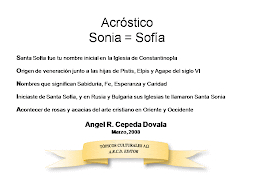
Sonia = Sofía
¡Feliz Pascua 2009!

Pascua.arcd
Pascua 2008

¡Felices Pascuas de Resurrección!
Navidad y Año Nuevo 2008

Feliz Navidad y Próspero Año 2008
Calendario 2013

Juan Pablo II
CALENDARIO 2013

Virgen María en el Arte
Calendario 2013

Benedicto XVI
Pascua 2013

Jesucristo El Buen Pastor
feliz día de las madres 2012

feliz día de las madres 2012
DICIEMBRE 2012

DICIEMBRE 2012
NOVIEMBRE 2012

NOVIEMBRE 2012
OCTUBRE 2012

Octubre 2012
SEPTIEMBRE 2012

SEPTIEMBRE 2012
AGOSTO 2012

AGOSTO 2012
JULIO 2012

JULIO 2012
JUNIO 2012

JUNIO 2012
MAYO 2012

MAYO 2012
ABRIL 2012

ABRIL 2012
MARZO 2012

marzo 2012
FEBRERO 2012

FEBRERO 2012
ENERO 2012

enero 2012
Nuestras Actitudes ante la Vida

Actitudes ante la Vida
SEASON OF CHRISTMAS

DECEMBER 25, 2012-JANUARY 6, 2013
¡FELIZ PASCUA 2012!

pascua 2012
Cátedra de San Pedro

St. Peter
14 de Febrero
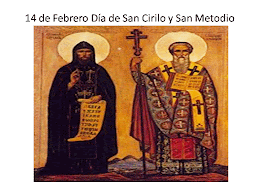
Día de San Cirilo y San Metodio
Conversión de San Pablo

Francesco Mazzola (1503-1540)
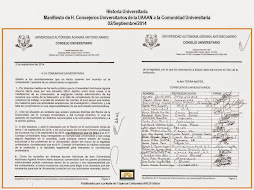
Manifiesto Universitario UAAAN

Documento Firmado y Recibido Enero 2013
Manifiesto Remoción Rector UAAAN

Documento, Enero 2013
Bendición

Feliz Navidad y Ventuoroso Año 2013
happy new year 2012

2012
Feliz Navidad 2011

Venturoso Año 2011
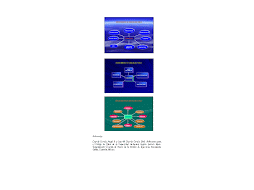
CUADRO 1. SÍNTESIS NEMOTÉCNICA UAAAN 2006-2012

CUADRO 2. SÍNTESIS NEMOTÉCNICA UAAAN 2006-2010

SHORT COMMUNICATION 1 ROGER BEHRA
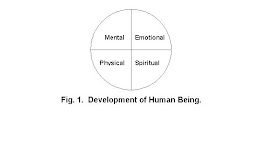
Fig. 1. Development of Human Being. (Roger Behra, 2007)
CEREMONIA PARA LA PAZ

INVITACIÓN ES.PE.RE.
Cuadro 1.Semillas germinadas y estadísticos descriptivos.

ARCD y JMCD
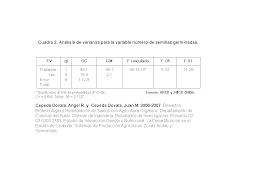
Cuadro 2. Análisis de varianza para la variable número de semillas germinadas.
Encíclicas de la Iglesia Católica
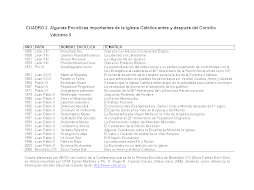
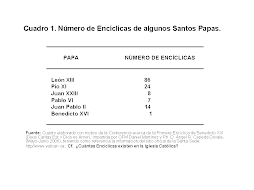
Algunas Encíclicas imortantes de la Iglesia Católica